
Delayed onset soreness, at the cellular level
What actually happens in muscle fiber and connective tissue in the 24 to 72 hours after unfamiliar or eccentric-heavy loading, and why the pain timeline rarely matches the damage timeline.
For people training four or five days a week who have quietly accepted permanent soreness as the price of admission. Ninety minutes a month, live, built from published exercise physiology research rather than product marketing.
Science journalism format. No supplements, devices, or rehabilitation services are sold or recommended.


Most people training this often have a rotating cast of aches they've stopped mentioning to anyone, including themselves. Some of that discomfort is an ordinary part of adaptation. Some of it is the body sending a message that gets ignored because everyone assumes soreness is just what training feels like.
This series exists to separate those two categories using the same primary literature that exercise physiologists and sports medicine researchers actually read. Each session takes one narrow question, walks through what the evidence shows, and is explicit about what remains genuinely unresolved. No product is being sold at the end of the hour.
Each monthly session takes one of these threads and goes deep, drawing on physiology, biomechanics, and sleep research rather than anecdote.
What actually happens in muscle fiber and connective tissue in the 24 to 72 hours after unfamiliar or eccentric-heavy loading, and why the pain timeline rarely matches the damage timeline.
Why self-myofascial release produces a real analgesic effect for some people and close to nothing for others, and what the neurological explanation suggests about who benefits.
A comparison of controlled trials on cold water immersion and cryotherapy against passive rest, including where the evidence weakens for people chasing muscle growth rather than same-day comfort.
Why sleep duration and quality show up as recovery factors across almost every study design, while most other interventions show mixed or population-specific results.
Practical markers researchers and clinicians use to distinguish ordinary adaptive soreness from pain patterns that warrant an evaluation by a qualified professional.

The first fifteen minutes cover the mechanism of the month, plain language first, then the underlying physiology. The next forty five minutes work through the research itself: study design, sample size, what the authors actually concluded versus what got reported in fitness media.
The final half hour is live audience questions, unscripted. Recordings are made available afterward for those who register but cannot attend the live broadcast.
These are not the full sessions, just a sense of the kind of evidence discussed live and unpacked in detail.

How eccentric loading initiates microscopic disruption in sarcomeres, and why the resulting inflammatory response is now understood as part of adaptation rather than pure damage.

Studies suggest self-myofascial release works largely through the nervous system's pain-gating response rather than any lasting change to fascia itself.

Randomized trials comparing cold exposure to passive recovery show a modest, short-lived reduction in perceived soreness, with more nuanced findings for hypertrophy-focused training.
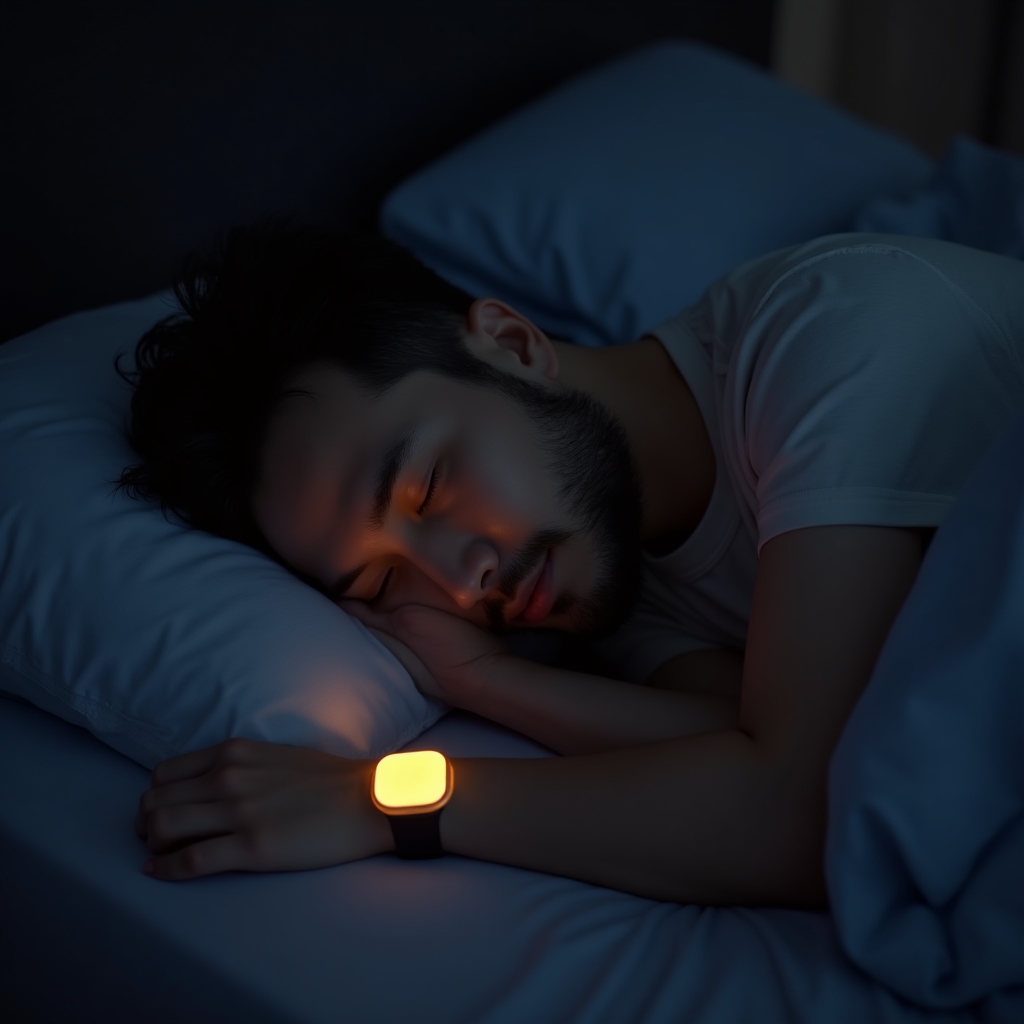
Slow wave sleep coincides with peak growth hormone release, a mechanism that helps explain why sleep restriction studies consistently show impaired recovery markers.
Recreational athletes training four or five sessions a week who notice they are rarely without some soreness and want a physiology-based explanation rather than folk wisdom. Anyone curious about why one recovery habit works for a training partner and not for them.
Sessions describe general research findings for educational purposes. They do not diagnose, treat, or provide personalized recommendations. Persistent, worsening, or unusual pain warrants an evaluation by a physician, physical therapist, or other licensed professional, not a webinar.
Third Thursday of the month, 7:00 PM CT
Third Thursday of the month, 7:00 PM CT
Runs on a rotating quarterly basis